
Men’s Shoes vs Women’s Shoe Size: Complete Guide with Easy Conversion Tables
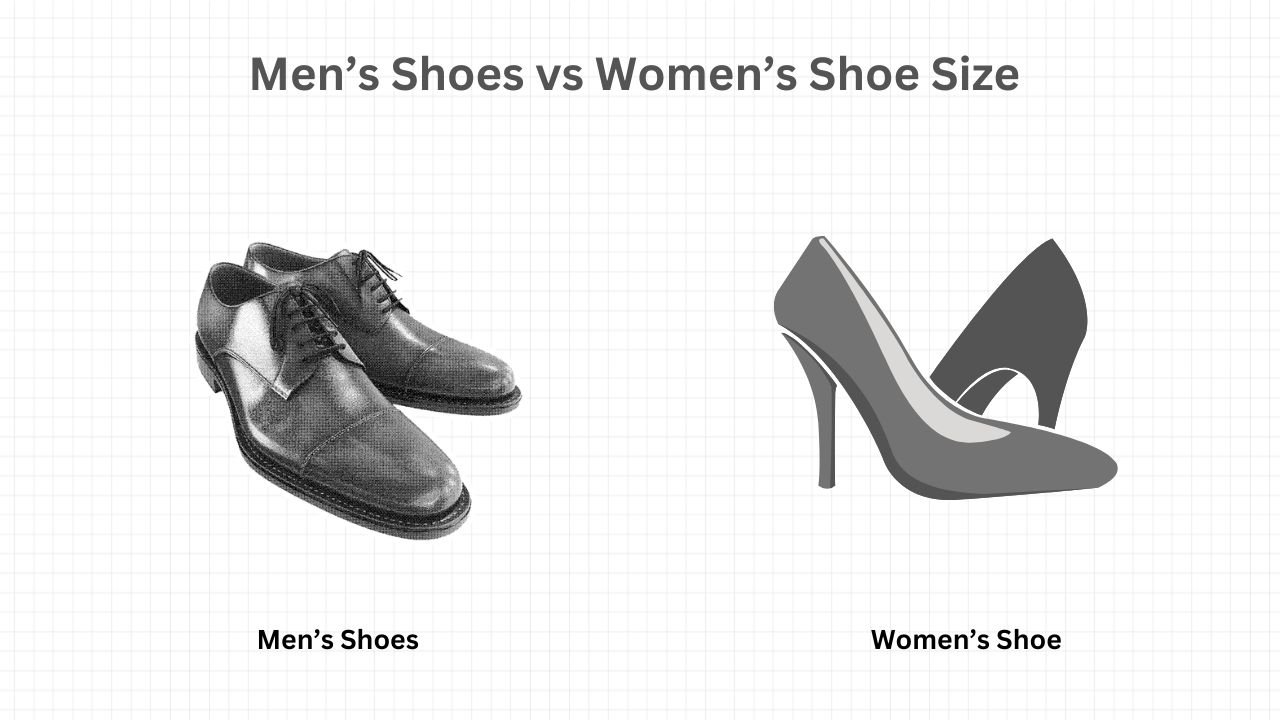
Understanding the difference between men’s and women’s shoe sizes is not just about numbers—it’s about fit, comfort, width, and foot shape. Many people face sizing issues when switching categories, especially while buying sneakers, sports shoes, or unisex styles.
Using the core ideas and structure from your content, this guide expands the explanation with more tables and practical clarity so users can easily understand and apply conversions.
Basic Size Difference (Core Concept)
The most important rule:
- Women’s shoe size = Men’s size + 1.5 to 2
- Men’s shoe size = Women’s size − 1.5 to 2
This difference exists because both sizing systems start from different base scales, even though the actual foot length remains the same.
Detailed Size Conversion Table (US Sizes)
| Women’s Size | Men’s Size | Foot Length (inches) | Foot Length (cm) |
|---|---|---|---|
| 5 | 3.5 | 8.5 | 21.6 |
| 6 | 4.5 | 8.875 | 22.5 |
| 7 | 5.5 | 9.25 | 23.5 |
| 8 | 6.5 | 9.625 | 24.4 |
| 9 | 7.5 | 10 | 25.4 |
| 10 | 8.5 | 10.375 | 26.3 |
| 11 | 9.5 | 10.75 | 27.3 |
| 12 | 10.5 | 11.125 | 28.2 |
This table helps users match both size and actual foot length, which is more reliable than just numbers.
Width Differences (Most Ignored but Important)
One of the biggest mistakes people make is ignoring width.
- Men’s shoes are naturally wider
- Women’s shoes are narrower, especially at the heel
Standard Width Comparison
| Fit Type | Men’s Width | Women’s Width |
|---|---|---|
| Narrow | B | AA |
| Standard | D | B |
| Wide | EE | D |
| Extra Wide | EEEE | EE |
So even if length matches, width can completely change comfort.
Length vs Width Impact Table
| Scenario | What Happens | Solution |
|---|---|---|
| Woman wears men’s shoes | Feels loose in heel | Choose smaller size or narrow fit |
| Man wears women’s shoes | Feels tight in width | Choose wide version |
| Same size, different gender | Fit feels off | Adjust both size + width |
Foot Shape Differences
Shoe design is based on average anatomical differences.
Men’s Foot Structure
- Wider forefoot
- Less difference between heel and toe width
- Flatter arch (generally)
Women’s Foot Structure
- Narrower heel
- More curved shape
- Slightly higher arch
Shape Comparison Table
| Feature | Men’s Shoes | Women’s Shoes |
|---|---|---|
| Heel Fit | Wider | Narrower |
| Toe Box | Round & spacious | Tapered |
| Arch Support | Moderate | Slightly higher |
| Overall Shape | Straight | Curved |
Practical Conversion Examples
| Situation | Correct Approach |
|---|---|
| Women’s size 8 | Men’s 6.5 |
| Men’s size 10 | Women’s 11.5–12 |
| Wide feet (women) | Try men’s shoes |
| Narrow feet (men) | Try women’s shoes |
Shoe Type Comparison (Fit Behavior)
| Shoe Type | Conversion Accuracy | Notes |
|---|---|---|
| Running Shoes | High | Focus on comfort & performance |
| Sneakers | Very High | Best for cross-gender sizing |
| Formal Shoes | Low | Shape differences matter more |
| Boots | Medium | Width plays major role |
International Size Comparison
| Region | Men vs Women Difference | Notes |
|---|---|---|
| US | 1.5–2 sizes | Most common system |
| UK | ~1 size | Slight difference |
| EU | Same numbers | But fit still differs |
Even if EU sizes look the same, the shoe shape is still gender-specific.
Common Mistakes to Avoid
| Mistake | Why It’s Wrong |
|---|---|
| Only converting size number | Ignores width & shape |
| Assuming all brands fit same | Each brand differs |
| Ignoring foot measurement | Leads to wrong size selection |
| Buying without trying fit type | Causes discomfort |
Smart Buying Tips
- Always measure your foot in cm or inches
- Check brand-specific size charts
- Read customer reviews for sizing feedback
- Try shoes in the evening (feet slightly expand)
- Focus on comfort, not just size label
Final Verdict
Men’s and women’s shoe sizes are different in three major ways:
- Size scale (1.5–2 number difference)
- Width (men’s wider, women’s narrower)
- Shape (different foot structure design)
If you understand these three factors, you can easily switch between categories and find a perfect fit. Also you can compare Mexican Shoe Sizes vs American
The key takeaway is simple:
Do not rely only on size numbers—always consider width, shape, and actual foot length for the best comfort.
One Comment